The Nebra Sky Disk : It is considered the oldest known illustration of the night sky. But what, exactly, does it depict, and why was it made? The Nebra sky disk was found with a metal detector in 1999 by treasure hunters near Nebra, Germany, in the midst of several bronze-age weapons. The ancient artifact spans about 30 centimeters and has been associated with the Unetice culture that inhabited part of Europe around 1600 BC. Reconstructed, the dots are thought to represent stars, with the cluster representing the Pleiades, and the large circle and the crescent representing the Sun and Moon. The purpose of the disk remains unknown – hypotheses including an astronomical clock, a work of art, and a religious symbol. Valued at about $11 million, some believe that the Nebra sky disk is only one of a pair, with the other disk still out there waiting to be discovered. via NASA
This one is technically not yet history, because at the time of posting, the little craft has about half an hour left to go. That said, let’s proceed.
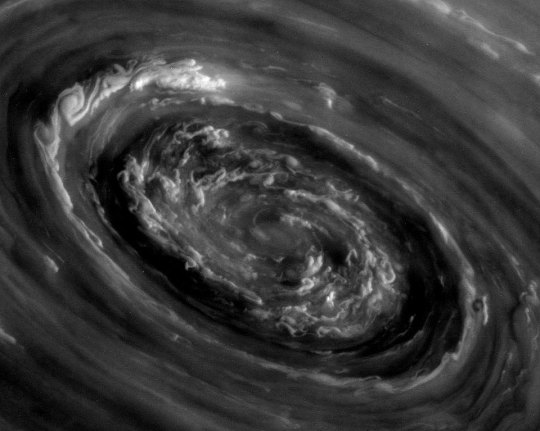
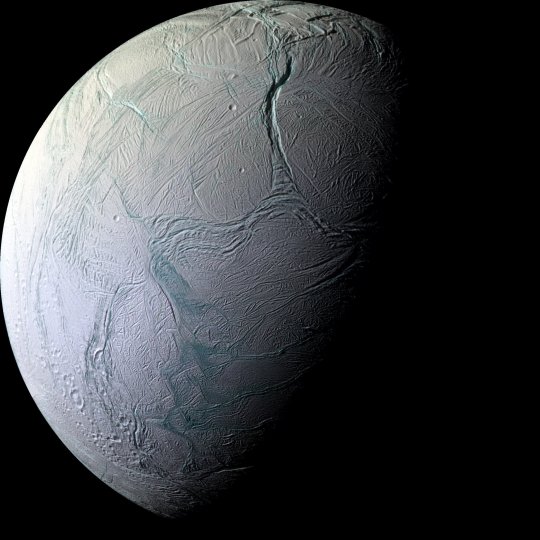
In 2017, NASA’s Cassini space probe ended its twenty-year mission at Saturn. After a nearly-seven-year-long journey there, it orbited the ringed planet for 13 years and just over two months, gathering copious amounts of information about the planet, said rings, and many of its moons. It landed an ESA probe called Huygens on Titan, the first-ever soft landing in the outer Solar System. It discovered lakes, seas, and rivers of methane on Titan, geysers of water erupting from Enceladus (and passed within 50 miles of that moon’s surface), and found gigantic, raging hurricanes at both of Saturn’s poles.
And the images it returned are beautiful enough to make you weep.
On this day in 2017, with the fuel for Cassini’s directional thrusters running low, the probe was de-orbited into the Saturnian atmosphere to prevent any possibility of any contamination of possible biotic environments on Titan or Enceladus. The remaining thruster fuel was used to keep the radio dish pointed towards Earth so the probe could transmit information about the upper atmosphere of Saturn while it was burning up due to atmospheric friction.
This is us at our best. We spent no small amount of money on a nuclear-powered robot, launched it into space, sent it a billion miles away, and worked with it for two decades just to learn about another planet. And when the repeatedly-extended missions were through, we made the little craft sacrifice itself like a samurai, performing its duty as long as it could while it became a shooting star in the Saturnian sky.
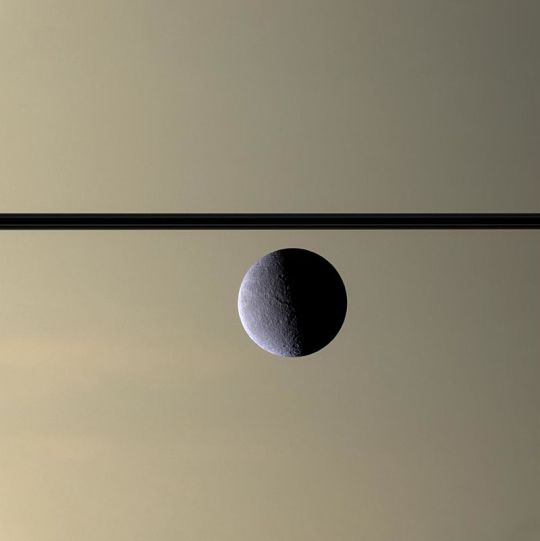
Rhea occulting Saturn
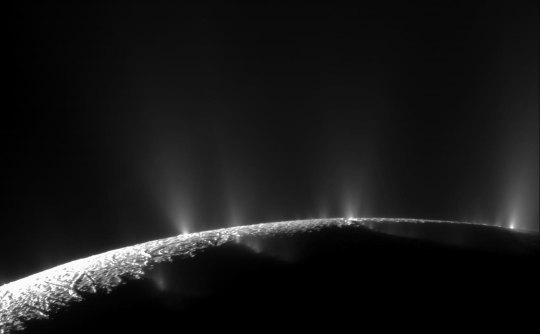
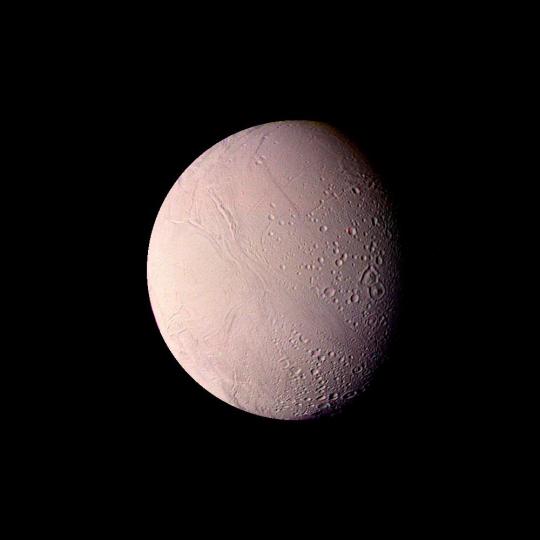
Water geysers on Enceladus
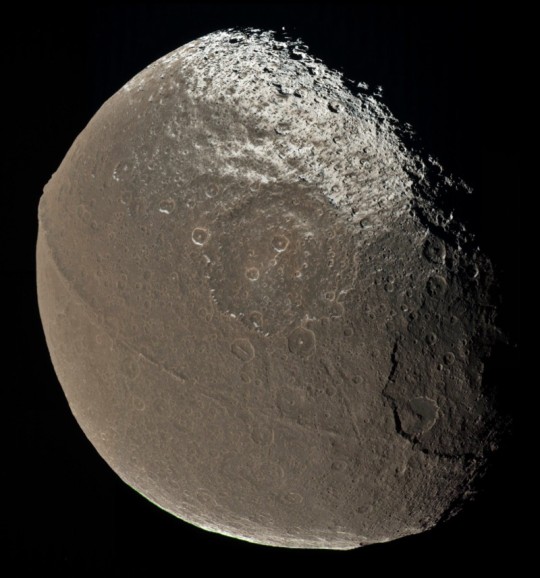
Strange Iapetus
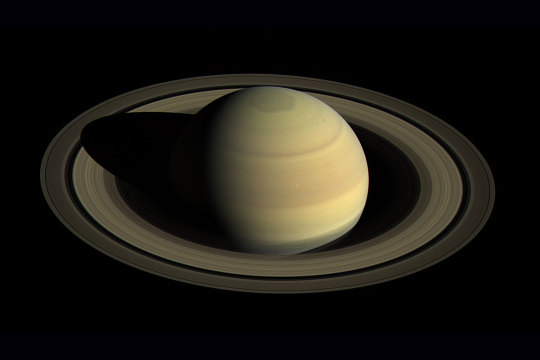
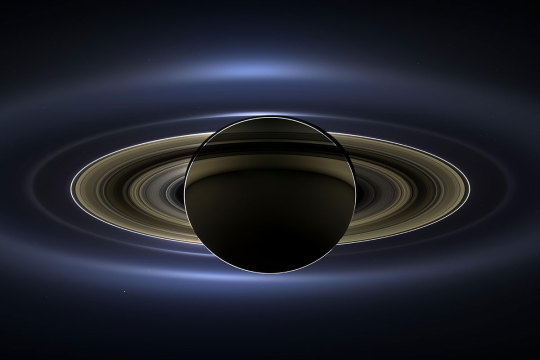
Look at this gorgeousness
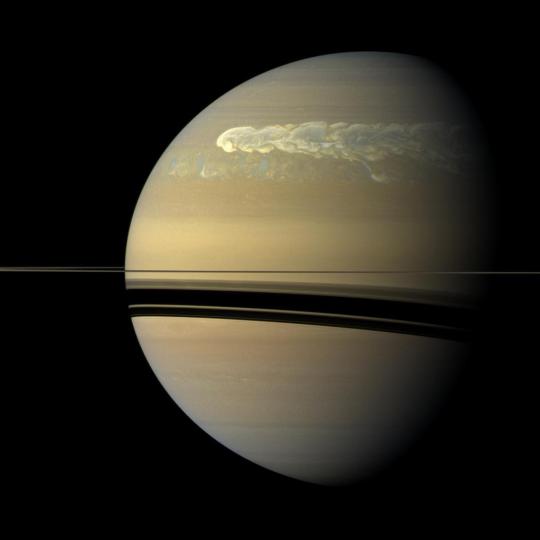
A gigantic motherfucking storm in Saturn’s northern hemisphere
Tethys
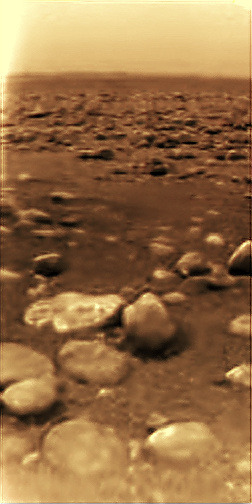
This image is from the surface of a moon of a planet at least 746 million miles away. Sweet lord
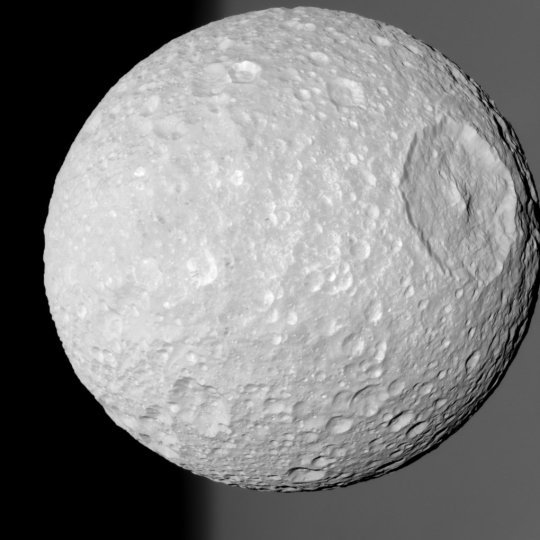
Mimas
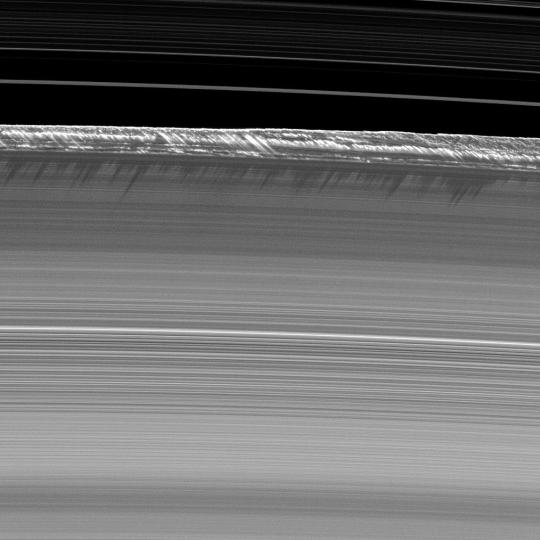
Vertical structures in the rings. Holy shit
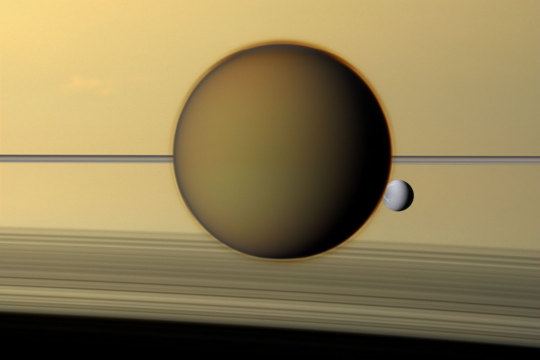
Titan and Dione occulting Saturn, rings visible
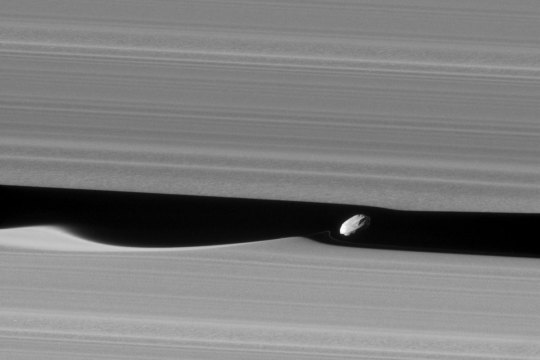
Little Daphnis making gravitational ripples in the rings
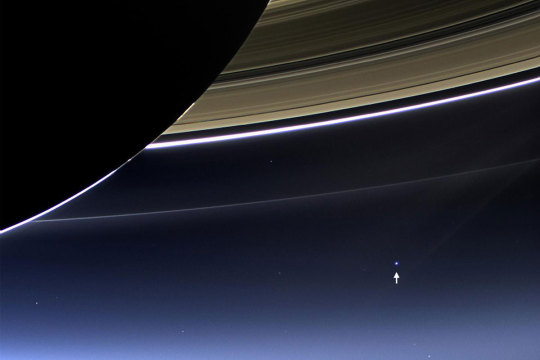
That’s here. That’s home. That’s all of us that ever lived.
Imaging the Universe : Known as the ‘Mother of Hubble,’ Nancy Grace Roman is shown here at the Yerkes Observatory, University of Chicago in 1948, where she was studying for her doctorate in astronomy. (via NASA)
The United Launch Alliance Delta IV Heavy rocket launches NASA’s Parker Solar Probe to touch the Sun, Sunday, Aug. 12, 2018 from Launch Complex 37 at Cape Canaveral Air Force Station, Florida. Parker Solar Probe is humanity’s first-ever mission into a part of the Sun’s atmosphere called the corona. Here it will directly explore solar processes that are key to understanding and forecasting space weather events that can impact life on Earth. Photo Credit: (NASA/Bill Ingalls)
 wrennette