[If you found my blog because you’re curious about Greek people mixing up prehistoric bears and demigods, this post is for you. I studied archaeology with a focus on other things, and the research on this topic goes back decades, but imo the best book on how dinosaur bones influenced mythology is Adrienne Mayor’s The First Fossil Hunters. I strongly suggest you support this amazing historian and buy her stuff – she’s a great writer and she specializes in folklore and geomythology, it doesn’t get much cooler than that – but if you can’t and you’re interested in the subject – well, I believe scientific knowledge should be shared and accessible to everyone, so here are a few highlights. Part one of six.]
Griffins: a very mysterious mystery
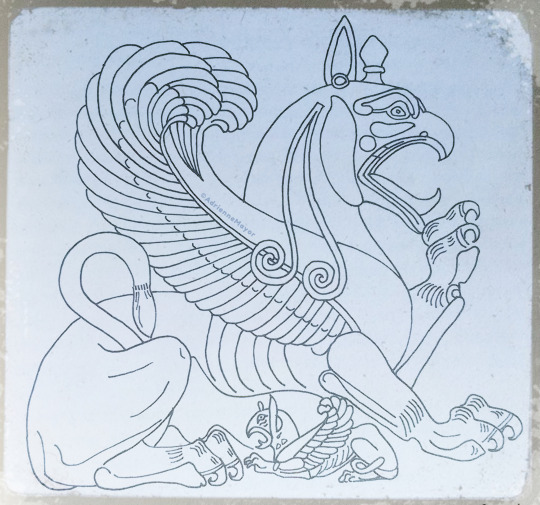
“A race of four-footed birds, almost as large as wolves and with legs and claws like lions.”
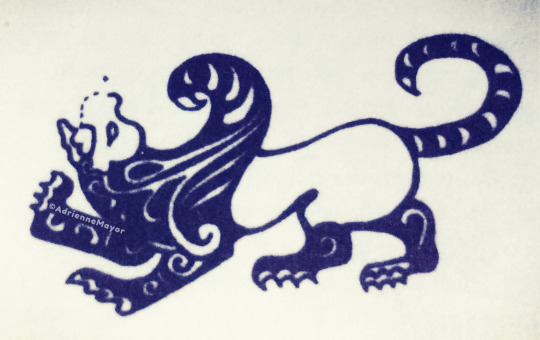
The one thing you need to know about griffins is that they don’t really fit in anywhere. They have no powers, they don’t help heroes, they’re not defeating gods or anything like that. Technically speaking, they’re not even monsters – people thought griffins were legit – real animals who lived in Central Asia and sat on golden eggs and mostly killed anyone who went near them. And okay, someone might say, ‘Frog, what’s fishy about that? People used to be dumb as rocks and there’s plenty of bizarro animals out there, anyway’ and yeah, that’s a very good point – except for one thing. See, what’s creepy about griffins is that we’ve got drawings and descriptions of them spanning ten centuries and thousands of miles, and yet they always. look. the. freaking. same.
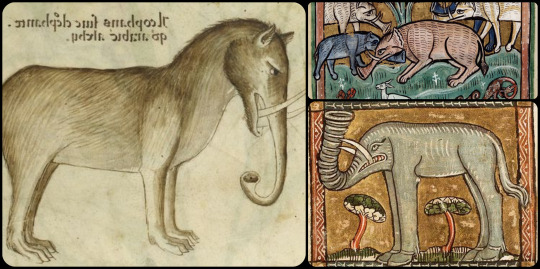
Like, here’s how people imagined elephants.
This is insanely funny and probably why God sent the Black Death to kill everyone, but also pretty common tbh, because a) people want to feel involved, b) people are liars who lie and c) it’s hard to imagine stuff you’ve never seen. So the more a story is passed around, the more it’s going to gain and lose details here and there, until you get from dog-footed hairy monkey of doom to plunger-nosed horror on stilts. But griffins – art or books, they’re consistently described as wolves-sized mammals with a beaked face. So that’s what made Adrienne Mayor go, Uh.
And what she did next is she started digging around in Central Asia, because that’s the other thing everyone agreed on: that griffins definitely lived there and definitely came from there. And this is where things get really interesting, because as it turns out, on one side of the Urals you’ve got Greeks going, ‘Mate, the Scythians, you know – they’ve got these huge-ass lion birds, I’m not even shitting you rn’ while on the other side of the Urals – wow and amaze – you’ve got Siberian tribes singing songs about the ‘bird-monsters’ and how their ancestors slaughtered them all because they were Valiant and Good.
(This according to a guy studying Siberian traditions in the early 1800s, anyway, because you know who writes stuff down? Not nomads, bless them: dragging around a shitload of books on fucking horseback is not a kind of life anyone deserve to live.)
And anyway, do you know what else those Mighty Ancestors did? They mined gold sand, and they kept tripping over dinosaur bones because that entire area is full of both things and some places are lucky like that. And in fact, the more excavations were carried out in ancient Scythian settlements, the more we started to realize that those guys were even more obsessed with griffins than the Greek were. Hell, some warriors even had griffins tattooed on their bodies?
And it’s probably all they ever talked about, because that’s when griffins suddenly appear in the Mediterreanean landscape: when Greek people start trading (and talking) with the Scythians.
(Another important note here, not that I’m not bitter or anything: something else those excavations are showing is that Herodotus was fucking right about fucking everything, SO THERE. Father of lies my ass, he was the only sensible guy in that whole bean-avoiding, monster-fucking, psychopathic and self-important Greek ‘intelligentsia’ and they can all fuck off and die and we don’t care about temples Pausy you dumb bitch we want to hear about the tree people and the Amazons and the fucking griffins goddammit. Uuugh. /rant)
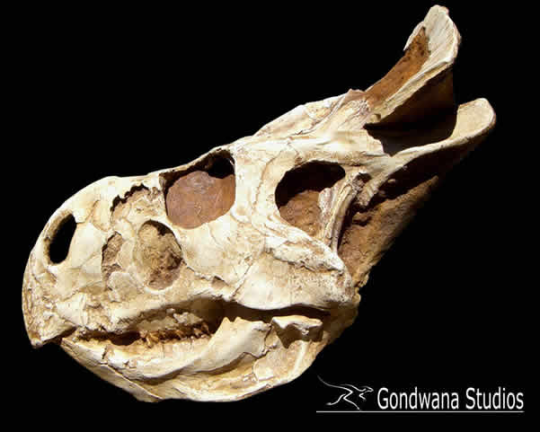
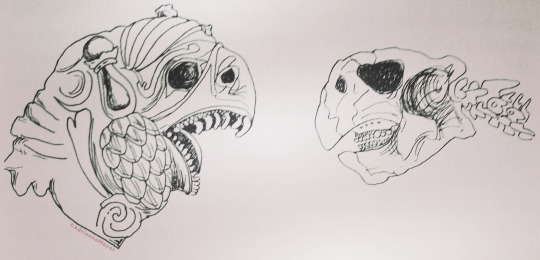
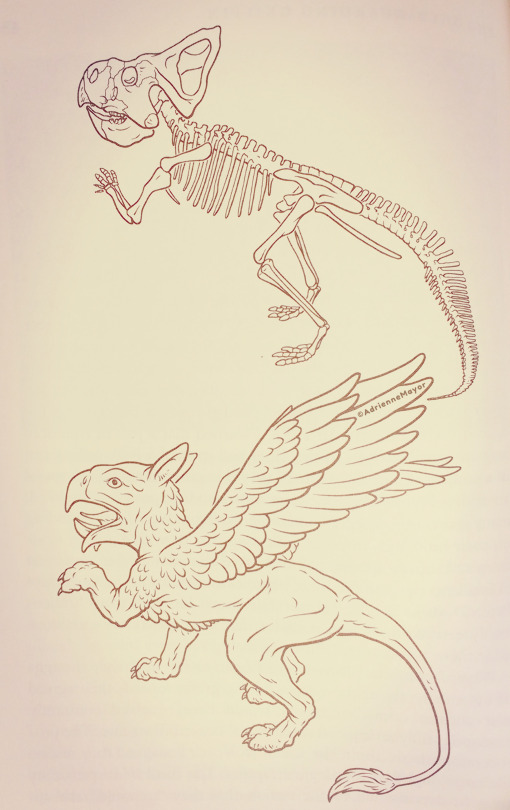
So anyway, Scythian nomads had been hunting for gold in places with exciting names like ‘the field of the white bones’ and basically dying of exposure because mountains, so Herodotus (and others) got this right as well: that successful campaigns could take a long-ass time, and very often people just disappeared, never to be heard from again. What everybody got less right: the nomads and adventurers and gold miners weren’t killed by griffins, because by the time they started traveling into those mountains, ‘griffins’ had been dead for hundreds of thousands of years. What they did see, and what was sure to spook the fuck out of them, were fossils – and, more precisely, protoceratops skulls, which can be found on all the major caravan routes from China all the way to Uzbekistan and are so ubiquitous paleontologists call them ‘a damn nuisance’.
And guess what they look like.
Just fucking guess.
[Left: a golden griffin, Saka-Scyhtian culture; right: psittacosaurus skull, commonly found in Uzbekistan and the western Gobi.]
Also, fun detail if you’re into gory and painful ways of dying: many of the dino skeletons are found standing up, because the animals would be caught in sand storms and drop dead. So basically you’d be riding your horse and minding your own gold-related business when all of a sudden you see the empty sockets of a beaked something staring at you and yeah – as a reminder, the idea of evolution was not a thing until Darwin, so any Scythian or Siberian tribesman seeing something like that would assume there was a fairly good fucking chance of a live whatever-the-hell-this-is waiting for him behind the next hill. And that’s what he’d say to Greek traders over a bowl of fermented mare’s milk: to stay the fuck away from those mountains, because griffins, man, they’re fucking real and there’s hundreds of them and anyway, maybe write that down if writing’s something you’re into, never saw the point myself but eh, to each his own, right, and cheers, good health, peace and joy to the ancestors.
Man, don’t you just love mythology?
(How fossils influenced mythology: part two, Cyclops, will be up soon.)
A wonderful piece about fandom history, friendships, and legacies.
Dee called AO3 a “candy store,” and said the fan art she has seen, in particular, has been overwhelming. “I cannot get over the art,” she said. “We would have jumped at this. I would’ve given my right tit for all this art when I was in my twenties. Because you couldn’t reproduce it, you couldn’t send it out, but [now] there’s this fabulous art coming out every single day.”
Yes. Yes. Yes. This is how it happened. Excellent article.
Classic Bookshelf: This site has put classic novels online, from Charles Dickens to Charlotte Bronte.
The Online Books Page: The University of Pennsylvania hosts this book search and database.
Project Gutenberg: This famous site has over 27,000 free books online.
Page by Page Books: Find books by Sir Arthur Conan Doyle and H.G. Wells, as well as speeches from George W. Bush on this site.
Classic Book Library: Genres here include historical fiction, history, science fiction, mystery, romance and children’s literature, but they’re all classics.
Classic Reader: Here you can read Shakespeare, young adult fiction and more.
Read Print: From George Orwell to Alexandre Dumas to George Eliot to Charles Darwin, this online library is stocked with the best classics.
Planet eBook: Download free classic literature titles here, from Dostoevsky to D.H. Lawrence to Joseph Conrad.
The Spectator Project: Montclair State University’s project features full-text, online versions of The Spectator and The Tatler.
Bibliomania: This site has more than 2,000 classic texts, plus study guides and reference books.
Online Library of Literature: Find full and unabridged texts of classic literature, including the Bronte sisters, Mark Twain and more.
Bartleby: Bartleby has much more than just the classics, but its collection of anthologies and other important novels made it famous.
Fiction.us: Fiction.us has a huge selection of novels, including works by Lewis Carroll, Willa Cather, Sherwood Anderson, Flaubert, George Eliot, F. Scott Fitzgerald and others.
Free Classic Literature: Find British authors like Shakespeare and Sir Arthur Conan Doyle, plus other authors like Jules Verne, Mark Twain, and more.
TEXTBOOKS
Textbook Revolution: Find biology, business, engineering, mathematics and world history textbooks here.
Wikibooks: From cookbooks to the computing department, find instructional and educational materials here.
Italian Women Writers: This site provides information about Italian women authors and features full-text titles too.
Biblioteca Valenciana: Register to use this database of Catalan and Valencian books.
Ketab Farsi: Access literature and publications in Farsi from this site.
Afghanistan Digital Library: Powered by NYU, the Afghanistan Digital Library has works published between 1870 and 1930.
CELT: CELT stands for “the Corpus of Electronic Texts” features important historical literature and documents.
Projekt Gutenberg-DE: This easy-to-use database of German language texts lets you search by genres and author.
HISTORY AND CULTURE
LibriVox: LibriVox has a good selection of historical fiction.
The Perseus Project: Tufts’ Perseus Digital Library features titles from Ancient Rome and Greece, published in English and original languages.
Access Genealogy: Find literature about Native American history, the Scotch-Irish immigration in the 19th and 20th centuries, and more.
Free History Books: This collection features U.S. history books, including works by Paul Jennings, Sarah Morgan Dawson, Josiah Quincy and others.
Most Popular History Books: Free titles include Seven Days and Seven Nights by Alexander Szegedy and Autobiography of a Female Slave by Martha G. Browne.
RARE BOOKS
Questia: Questia has 5,000 books available for free, including rare books and classics.
ARTS AND ENTERTAINMENT
Books-On-Line: This large collection includes movie scripts, newer works, cookbooks and more.
Chest of Books: This site has a wide range of free books, including gardening and cooking books, home improvement books, craft and hobby books, art books and more.
Free e-Books: Find titles related to beauty and fashion, games, health, drama and more.
2020ok: Categories here include art, graphic design, performing arts, ethnic and national, careers, business and a lot more.
Free Art Books: Find artist books and art books in PDF format here.
Free Web design books: OnlineComputerBooks.com directs you to free web design books.
Free Music Books: Find sheet music, lyrics and books about music here.
Free Fashion Books: Costume and fashion books are linked to the Google Books page.
MYSTERY
MysteryNet: Read free short mystery stories on this site.
TopMystery.com: Read books by Edgar Allan Poe, Sir Arthur Conan Doyle, GK Chesterton and other mystery writers here.
Mystery Books: Read books by Sue Grafton and others.
POETRY
The Literature Network: This site features forums, a copy of The King James Bible, and over 3,000 short stories and poems.
Poetry: This list includes “The Raven,” “O Captain! My Captain!” and “The Ballad of Bonnie and Clyde.”
Poem Hunter: Find free poems, lyrics and quotations on this site.
Famous Poetry Online: Read limericks, love poetry, and poems by Robert Browning, Emily Dickinson, John Donne, Lord Byron and others.
Google Poetry: Google Books has a large selection of poetry, fromThe Canterbury Tales to Beowulf to Walt Whitman.
QuotesandPoem.com: Read poems by Maya Angelou, William Blake, Sylvia Plath and more.
CompleteClassics.com: Rudyard Kipling, Allen Ginsberg and Alfred Lord Tennyson are all featured here.
PinkPoem.com: On this site, you can download free poetry ebooks.
MISC
Banned Books: Here you can follow links of banned books to their full text online.
World eBook Library: This monstrous collection includes classics, encyclopedias, children’s books and a lot more.
DailyLit: DailyLit has everything from Moby Dick to the recent phenomenon, Skinny Bitch.
their arms are similar to our tongues in that their muscle fibers are oriented in three different directions
octopuses are disconcertingly strong (anecdotal evidence says that a 15 inch wide octopus was as strong as the scientist handling it)
on that note that same scientist said that when her octopuses escaped she would have to run behind them, “like cats” (paraphrased from sy montgomery’s the soul of an octopus)
aquariums have “octopus enriching programs” so they don’t get bored and fuck shit up in their tanks
they are crazy smart like. really. really fucking smart
but we can’t compare their intelligence to ours because our evolution branched from the same common ancestor so long ago we cannot comprehend how they think
it’s believed that their intelligence evolved when they lost their shell, and had to adapt to predict how countless of different prey and predators would act, how to avoid them, distract them, lure them or trick them
they visualize how other creatures are going to act, which means they have have awareness that others are individuals which is a type of consciousness but i can’t remember what it’s called right now
like, they use tools
they have distinct personalities
aquarium octopuses are socialized from a very young age and even though in the wild they are solitary creatures they become extremely friendly with enough human exposure
sometimes they dislike people for no apparent reason and will shoot water at them
they have three hearts
each of their arms has a tiny brain that controls movement and sensory input on its own i shit you not
they are color blind and yet they can camouflage their color and nobody knows how
they can change the color and texture of their skin faster than human eyes can keep up with it
great pacific octopuses are white when they are peaceful, and red when they’re excited
aquarium octopus have escaped their tanks and slithered down pipes into the ocean
escaped their tanks to eat the fish in other tanks
escaped their tanks to go fight other octopuses cuz they were bored
octopus fight club
learned how to take photographs
cost thousands of dollars by flooding new floors
they can feel, taste, and smell with their suckers and all of their skin
they enjoy tasting their food by slowly moving it through their suckers instead of shoving it in their beaks
they can rewrite their rna. no, really
the only reason why they haven’t evolved to take over as the next dominant race is because they’re doing pretty well in the ocean so there’s no need for them to adapt further
there’s a ton more but i’m so overwhelmed by love i can’ think of any at the moment i’m going to cry
read the soul of an octopus by sy mongomery no she didn’t pay me i just love octopuses so much
Also:
learned to shoot out the annoying light over the tank
hid in floor drains when caught out of their tanks by researchers
hid the shells of crabs stolen from a tank under a third, unrelated tank
Sy is a wonderful human and a great researcher. NEAq actually named a GPO after her in honor of all her work on octopuses. (Or octopi, or octopodes – they’re all correct). Definitely read that book.
-liked being splashed. Figured out that spitting water would have keepers splash back in response
– learned to spray 45°F water everywhere to demand splashes
-likes taking brushes from divers. Knows the best way to do this was to sneak up from underneath or reach over the shoulder
-will wait until keepers are looking away/distracted to grab stuff and knows exactly how far to sink down to get out of reach
-seriously octos are huge thieves. If you have something in your hand, they want it. As soon as they grab it, it belongs to them. There’s no food and they have no use for it? Doesn’t matter it’s their thing now.
-we lost a magnet scrubber for three days because one stole it from the interns. Every time she let it go and we reached a net to get it, she would snatch it out of the net and drag it back into the den. By the time we got it back she had torn apart the scrub pad
-honestly it’s like keeping an aquatic possessive 8-legged cat
On that note, everyone should go read When the Grey Beetles Took Over Baghdad by Mona Yahia. It’s about an Iraqi Jewish girl growing up in Baghdad after the tasqit (when 90% of the Jewish population left) and struggling to find her identity while constantly being told by each successive regime that she does not belong in the only home she has ever known. It’s an excellent book and I have a mini quest to get everyone on the face of the earth to read it.
I would also suggest The Best Place on Earth by Ayelet Tsabari, the other book I wrote my paper on. It’s a collection of short stories about Mizrahi Jews in (and sometimes out) of Israel and their struggles with identity and belonging in the face of marginalization.
Both of these books are so good, they made me want to scream from the top of mountains. They’re both #ownvoices as well. Mona Yahia is an Iraqi Jewish woman who was born in 1954 in Baghdad (tasqit: 1950-51) and Ayelet Tsabari is a Mizrahi Jewish woman of Yemeni descent who was born and raised in Israel, though she lives in Canada now.
TLDR: When the Grey Beetles Took Over Baghdad and The Best Place on Earth are my two favorite books by Jewish women of color. Please read them.
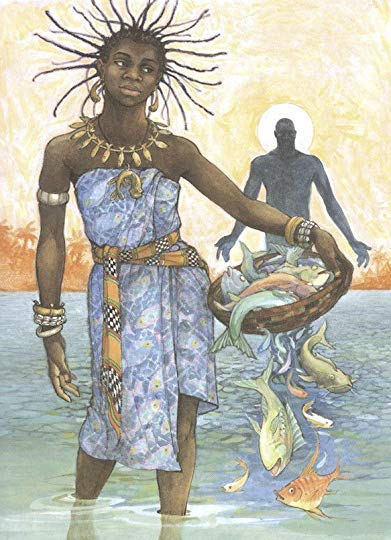
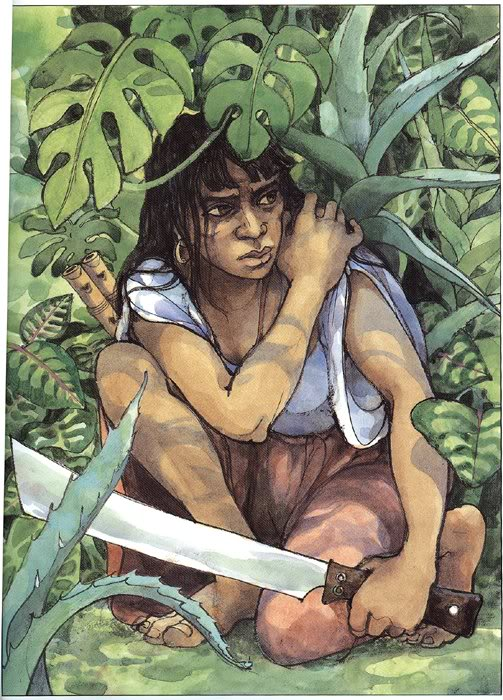
hey gyns let me plug a book for a second. its a childhood favorite of mine, but its also one of the best fairy tale books for little girls, imho. its called ‘the serpent slayer: and other stories of strong women’, and its a collection of fairy tales from around the world whose main characters are women. some of my favorite stories from it include:
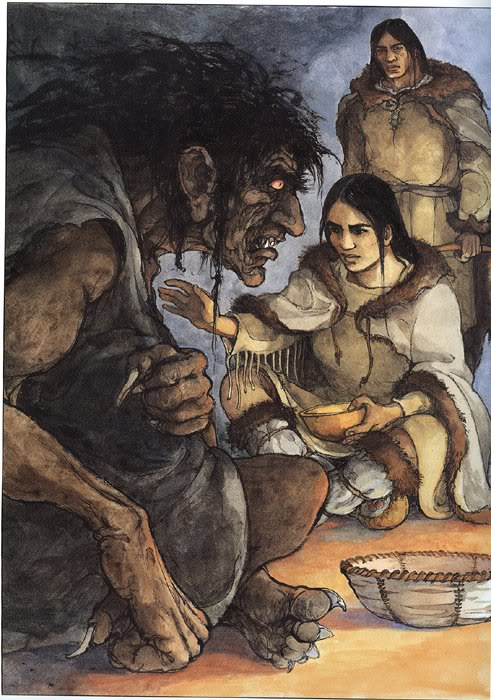
neesowa and the chenoo – when an injured chenoo (an evil, cannibalistic monster) stumbles upon neesowa’s camp, she throws the monster off balance by treating him with kindness and sharing her home with him as he recovers, which pays off when another chenoo attacks her camp.
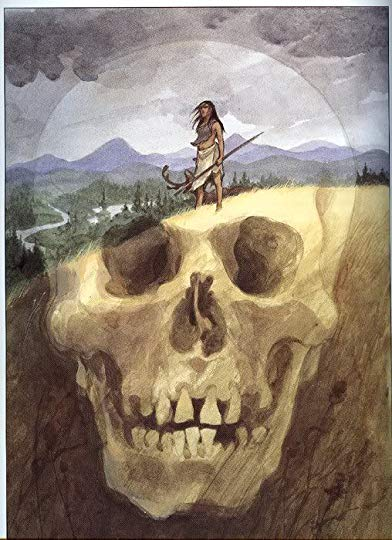
grandmother skull – a young woman, neruvana, marries a man who kills her entire family and abandons her. thankfully, the skull of her grandmother comes to life to teach her how to survive and to help her get revenge.
beebyeebyee and the water god – a young woman, beebyeebyee, falls in love with a water god who is slain by the envious people of her village. she gets revenge.
three whiskers from a lions chin – maria wants to help her husband, who returned from war a changed man, and the local bruja sends her off to get three whiskers from a lions chin, apparently a key ingredient in a magic spell that will bring her husband back to himself. when she brings the whiskers back to the bruja, the woman explains that there is no magic spell, but that with time, and the same patience she used to get the whiskers, she can help her husband recover.
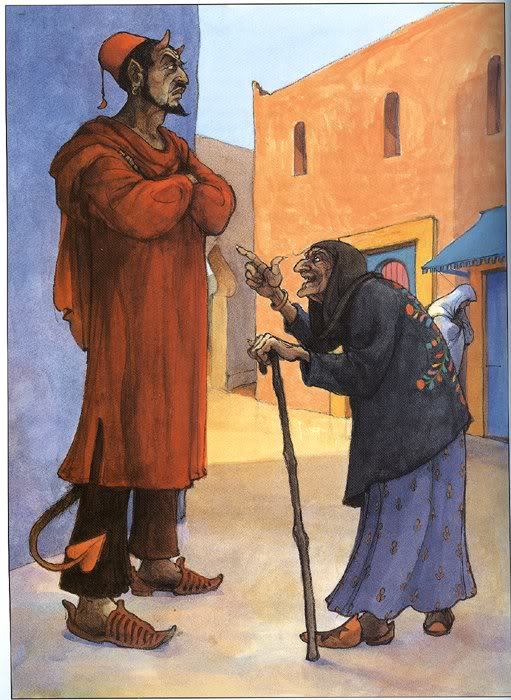
the old woman and the devil – a brilliant old woman faces off with the devil in a bet to convince him to leave her spot in the shade. she outwits him, and undoes the harm he did as well.
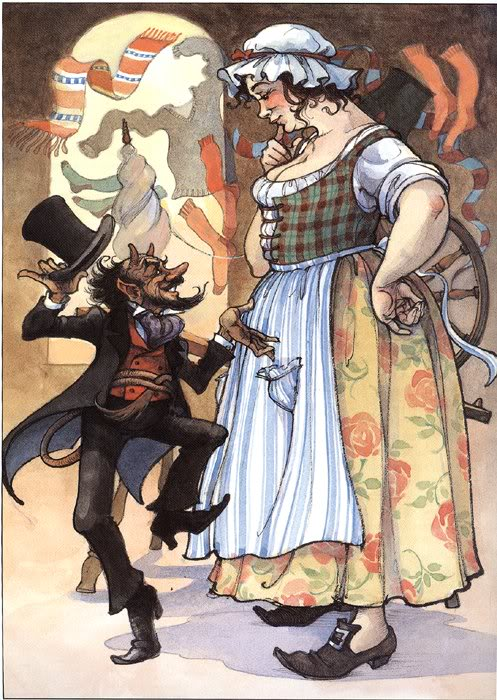
duffy the lady – a version of rumplestiltskin where a housekeeper who cant knit or spin accepts a deal with a devil who will do the tasks for her for three years, if she will marry him at the end of the three years if she cannot guess his name. spoiler alert: she can.
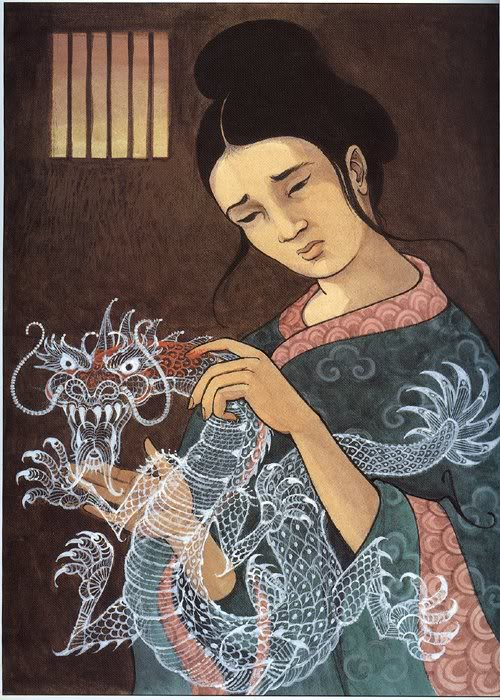
sister lace – a creation myth about the stars, when the emperor hears of sister lace’s incredible lace-making abilities, he has her brought to the palace and ordered to marry him. when she refuses, he has her imprisoned unless she can spin him a live rooster. her skill and blood bring the bird to life, but she remains imprisoned, until, eventually, she finds her way out.
a marriage of two masters – a very intelligent young woman who speaks only in riddles meets a man who sees the world the same way, and as they decipher one anothers riddles, they fall in love.
clever marcella – marcella, a genius, fascinates the prince, and they agree to marry, provided she not interfere with his rule. when she feels compelled to challenge a ridiculous ruling he made on a case, he orders her to take whatever she likes from the palace and then leave. she solves the problem as anyone in love would, compels the prince to see the error of his ways, and becomes the kingdoms chief justice.
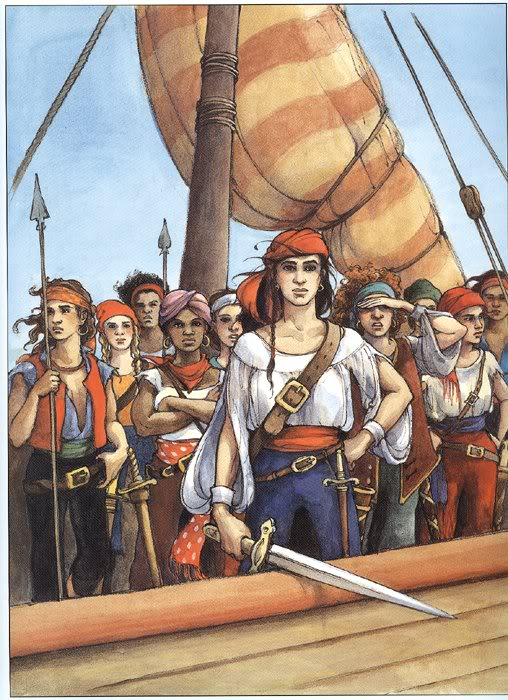
the rebel princess – to escape an unwanted arranged marriage, judith and her ladies-in-waiting take to the open sea. when they come across a ship of pirates who decide they will each marry one of the women, the crew steal their clothes, their treasure, and their lives. by the end of the story, judith has been crowned king in place of an heir-less king who drowned.
its just a really, really good book, with a portrayal of women that most fairy tales dont have. theyre kind and wise mentors and teachers, not wicked stepmothers and ugly hags, and an undeveloped marriage to a man isnt their be-all and end-all. i really encourage you to get a copy for any little girls in your life, especially who enjoy fairy tales.
Sounds awesome!
THE ILLUSTRATOR IS TRINA SCHART HYMAN WHO WAS A FANTASTICALLY COOL LADY THAT YOU SHOULD READ ABOUT AND ADMIRE AS MUCH AS I GREW UP DOING AND WHO PROBABLY DESERVES HER OWN WONDERFULLY ILLUSTRATED FAIRY TALE
where are the little midwestern towns with the waving grass in summer and the deep snow in winter, towns full of young women in white and slender-wristed dead hitchikers drinking merle’s coffee
where’s john henry raising black dogs and sasquatch footprints left outside the public library and no-face charlie walking the streets at night, whistling ‘o susanna’
there should be crumbling overgrown cemeteries and diners with faded linoleum floors, and molly pitcher pours cheap beer on bingo nights and crows are good luck when you catch sight of them perched on the cart return outside of walmart and out of the corner of your eye you see coyote, laughing at you
I realize this probably isn’t a post you were looking for a response to, and I’m sorry if some of these are ones you’ve already read/don’t consider magic realism [esp. since magic realism is one of those things thats devilishly hard to define] but —
“The Witches of Athens” by Lara Elena Donnelly [the Athens in question is Athens, Ohio]
Beloved by Toni Morrison (Also, I think Song of Solomon qualifies too, but I haven’t read that one yet.)
“All the Young Kirks and Their Good Intentions” by Helena Bell (okay, technically, science fiction-y, technically, probably doesn’t count, but also, i would ask you to consider the fact that it also totally counts)
“The Glass Bottle Trick” by Nalo Hopkinson (tho this leans more heavily on the Southern Gothic tradition than the magic realism side of things.)
The Brief, Wondrous Life of Oscar Wao by Junot Diaz
I can palpably feel myself leaving out some good stuff, but that’s as far as I can remember/fetch easily. It’s sort of light on novels, but hopefully it’s a start.
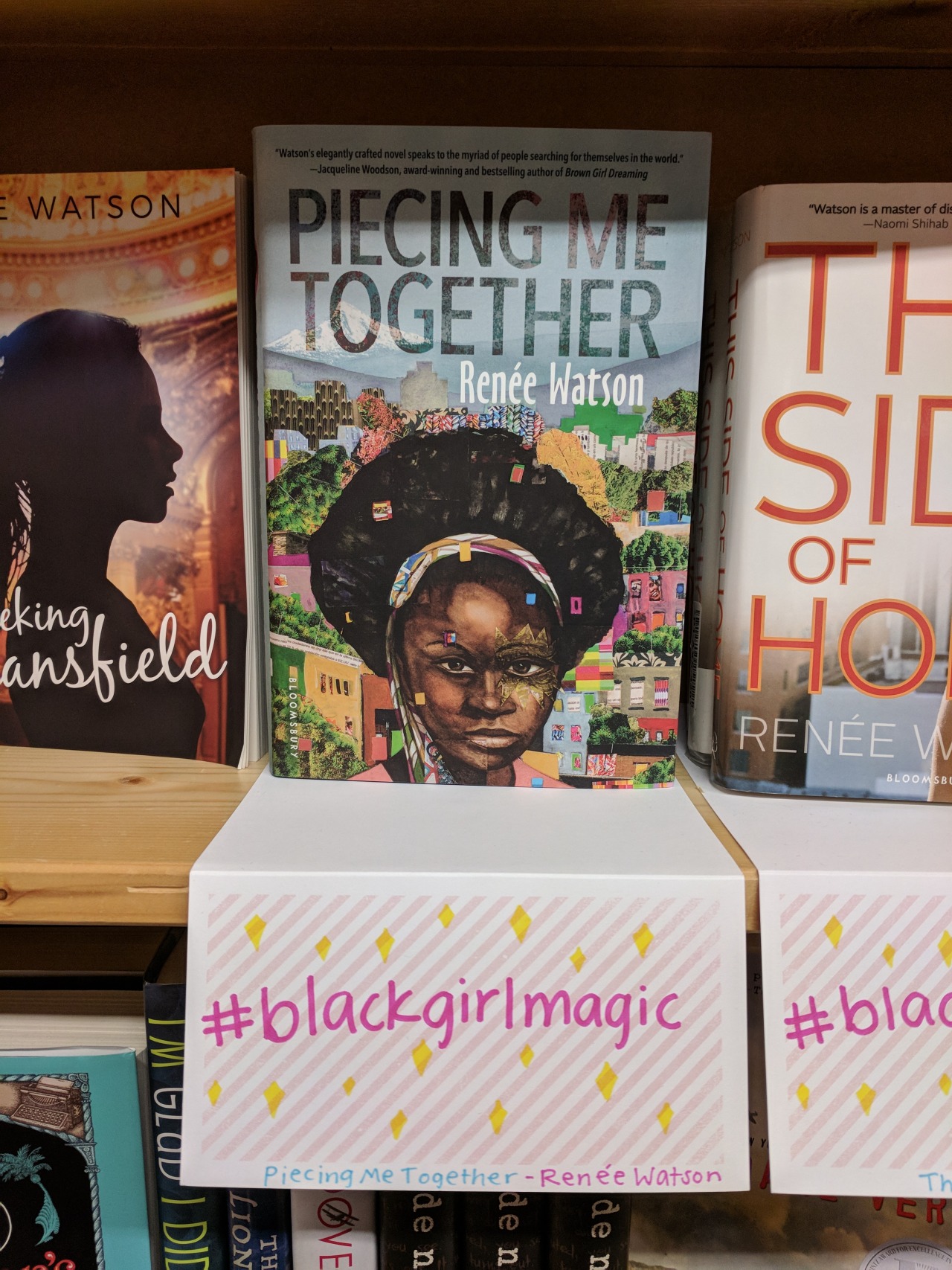
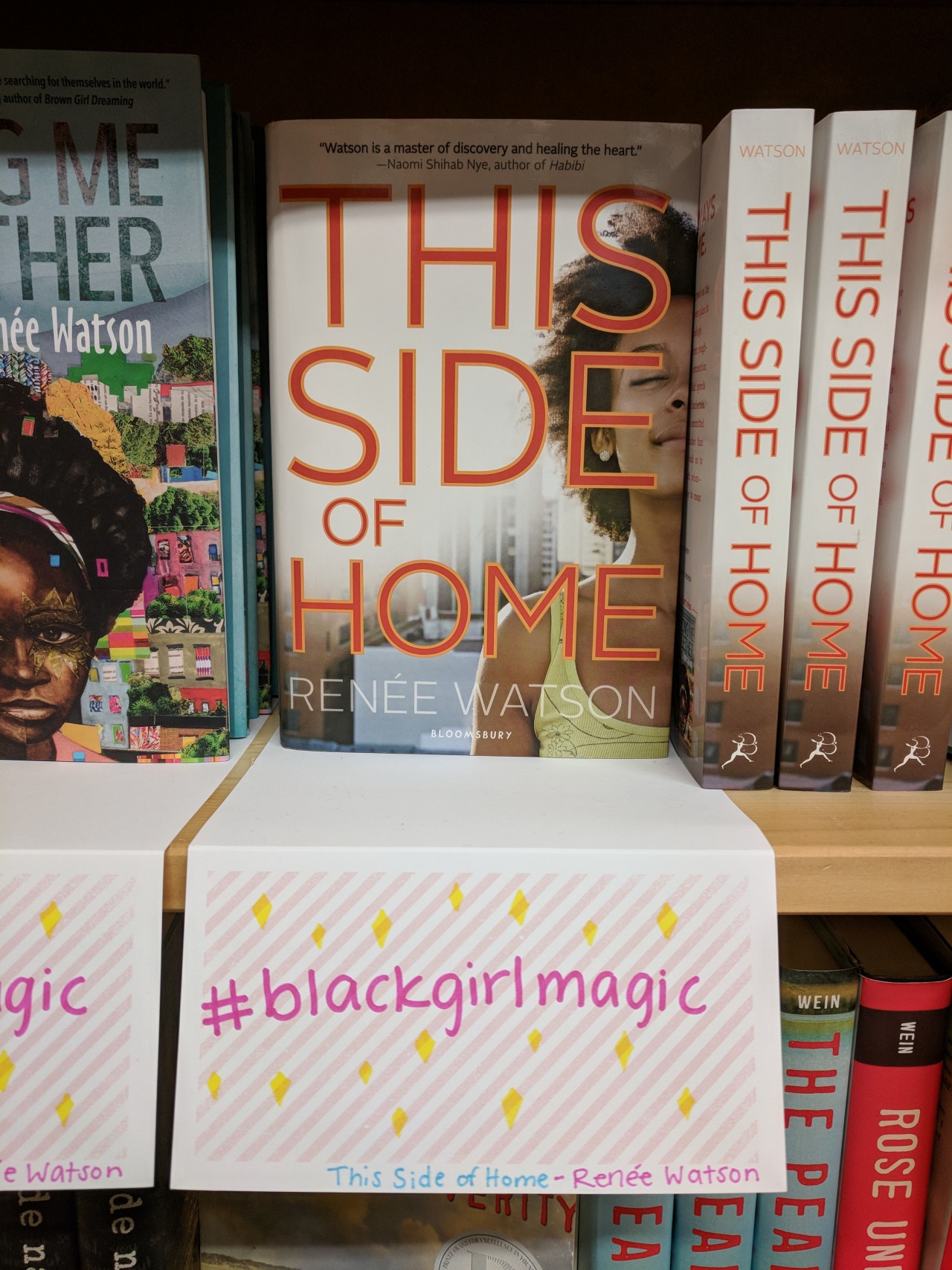
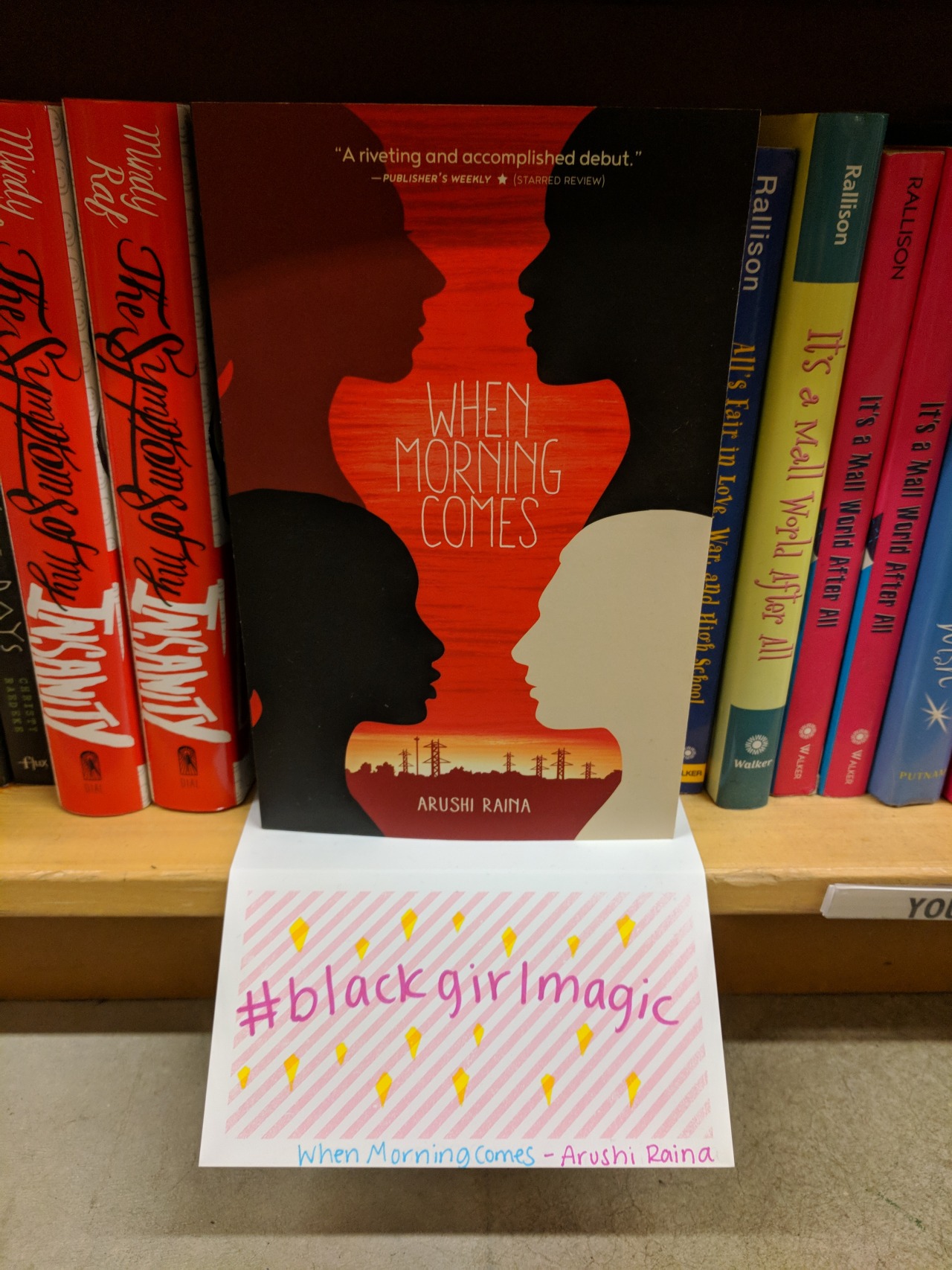
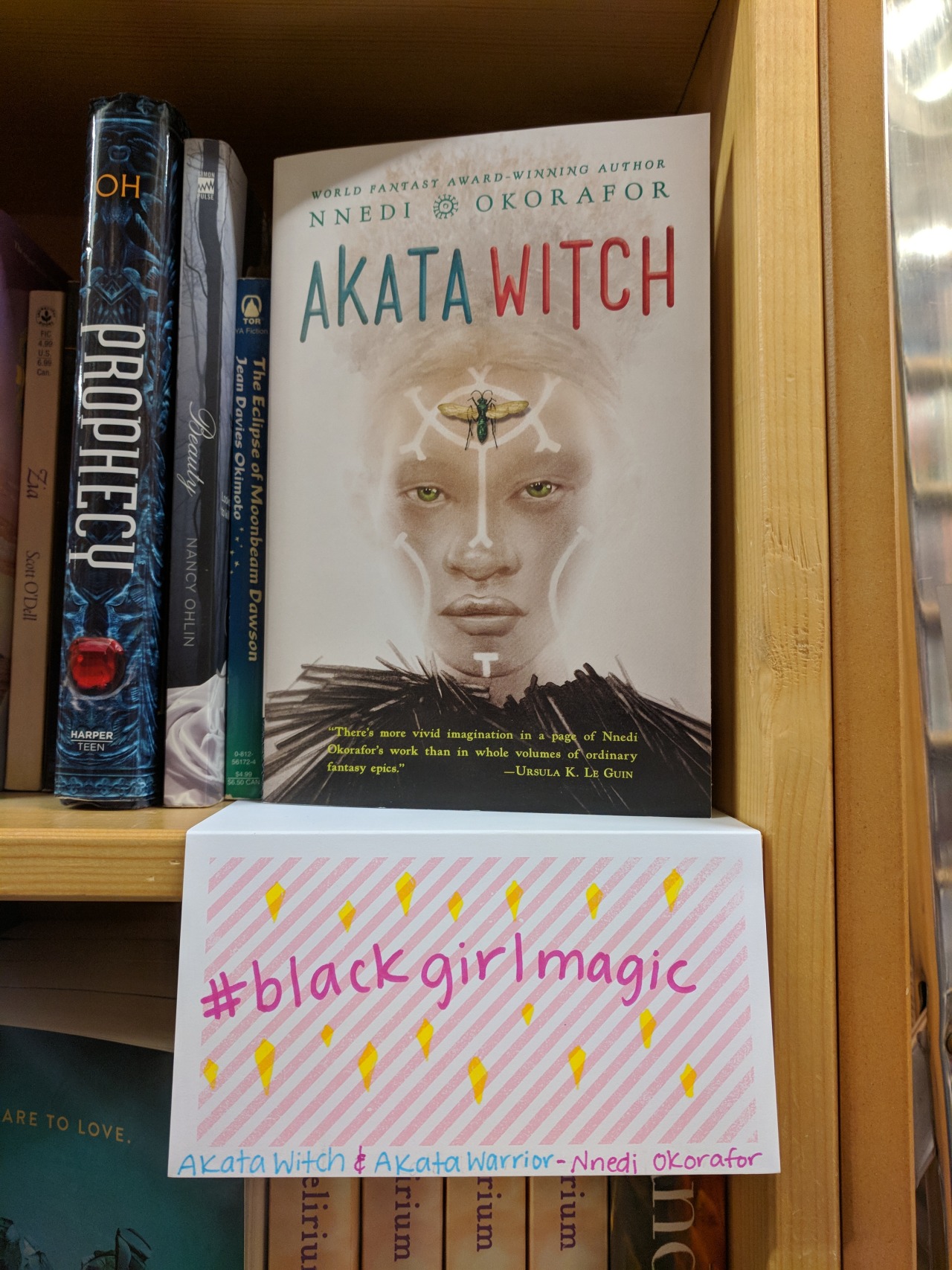
#PrettyBoy Must Die by Kimberly Reid – A CIA prodigy’s cover is blown when he accidentally becomes an internet sensation, inspired by the #Alexfromtarget story.
96 Words of Love by Rachel Roy & Ava Dash – James Patterson Presents a modern retelling of a classic Indian legend, 96 Words for Love is a touching coming-of-age story that reads like Eat, Pray, Love for teens.
500 Words or Less by Juleah del Rosario – To redefine her reputation senior year, Nic Chen begins writing their college admissions essays. But the more essays Nic writes for other people, the less sure she becomes of herself, and whether her moral compass even points north anymore.
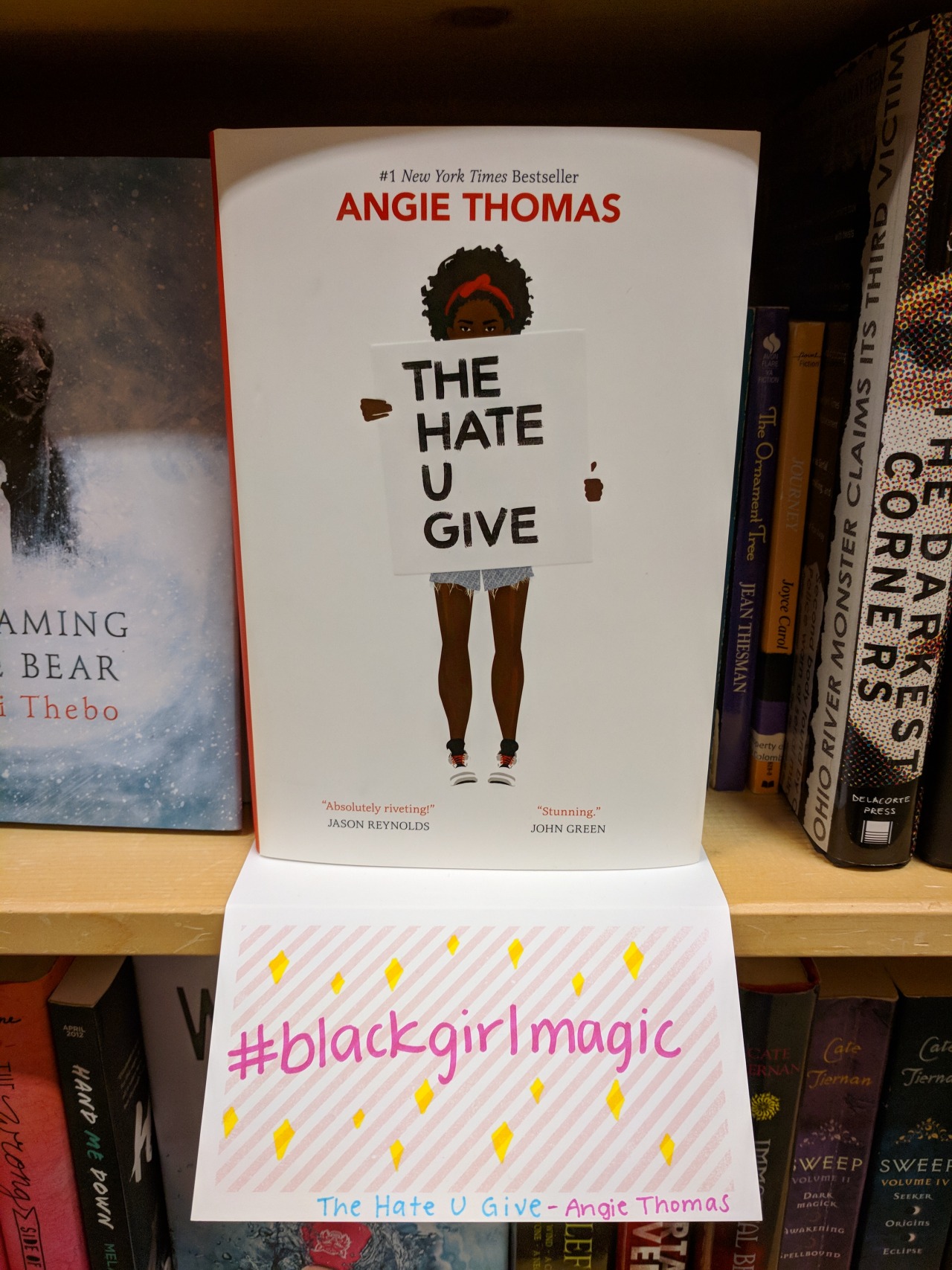
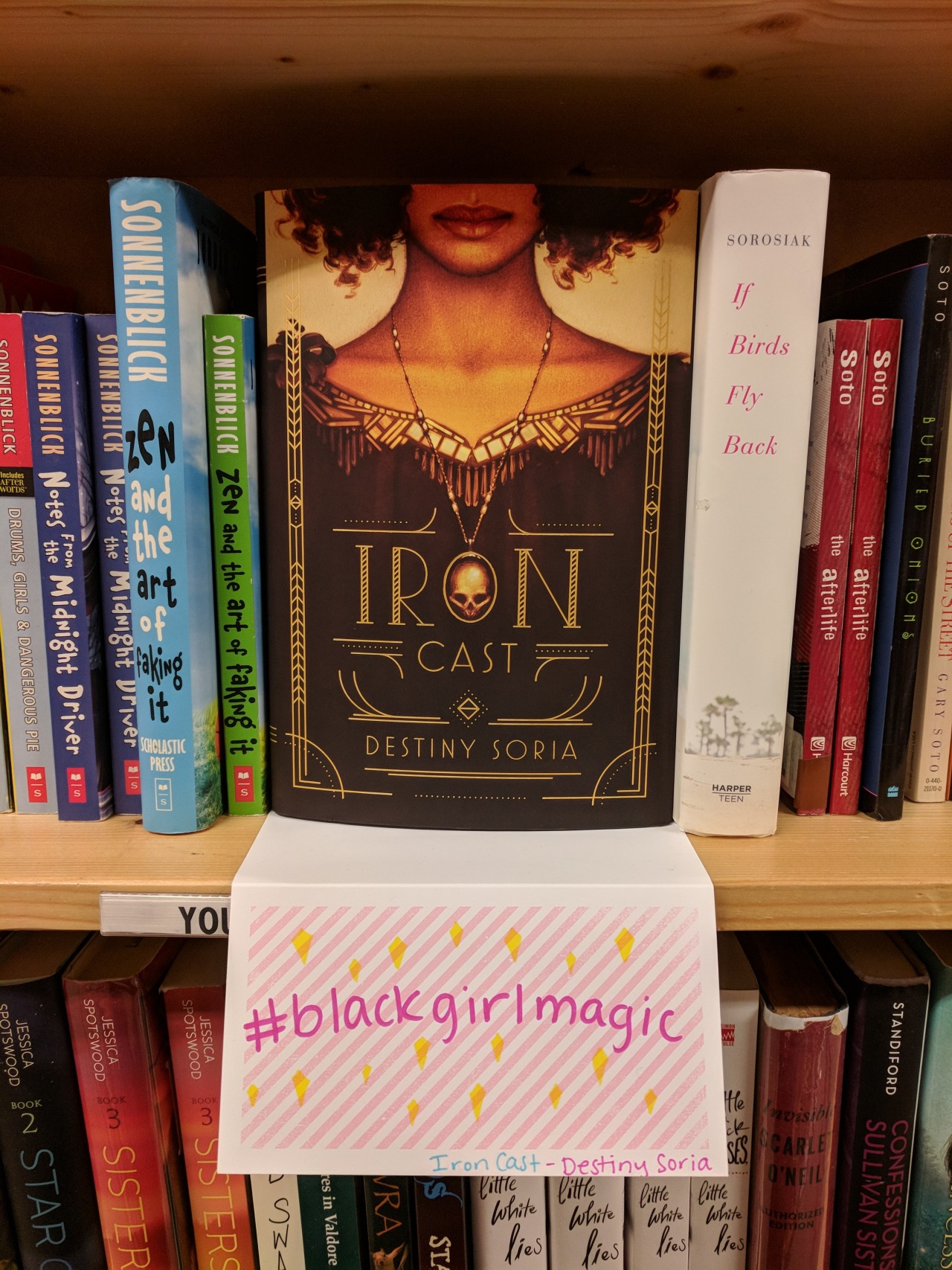
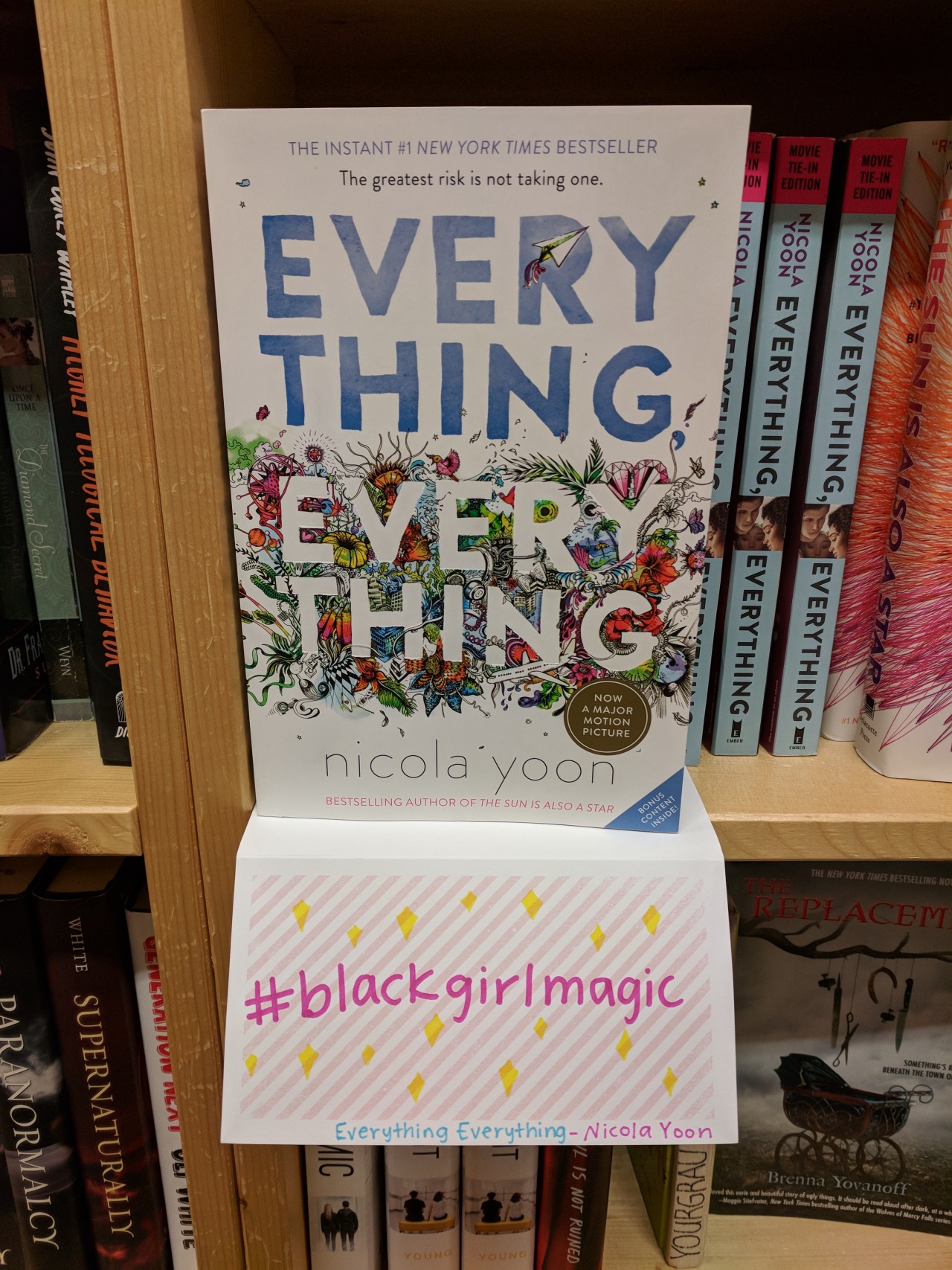
After the Shot Drops by Randy Ribar – A powerful novel about friendship, basketball, and one teen’s mission to create a better life for his family in the tradition of Jason Reynolds and Walter Dean Myers.
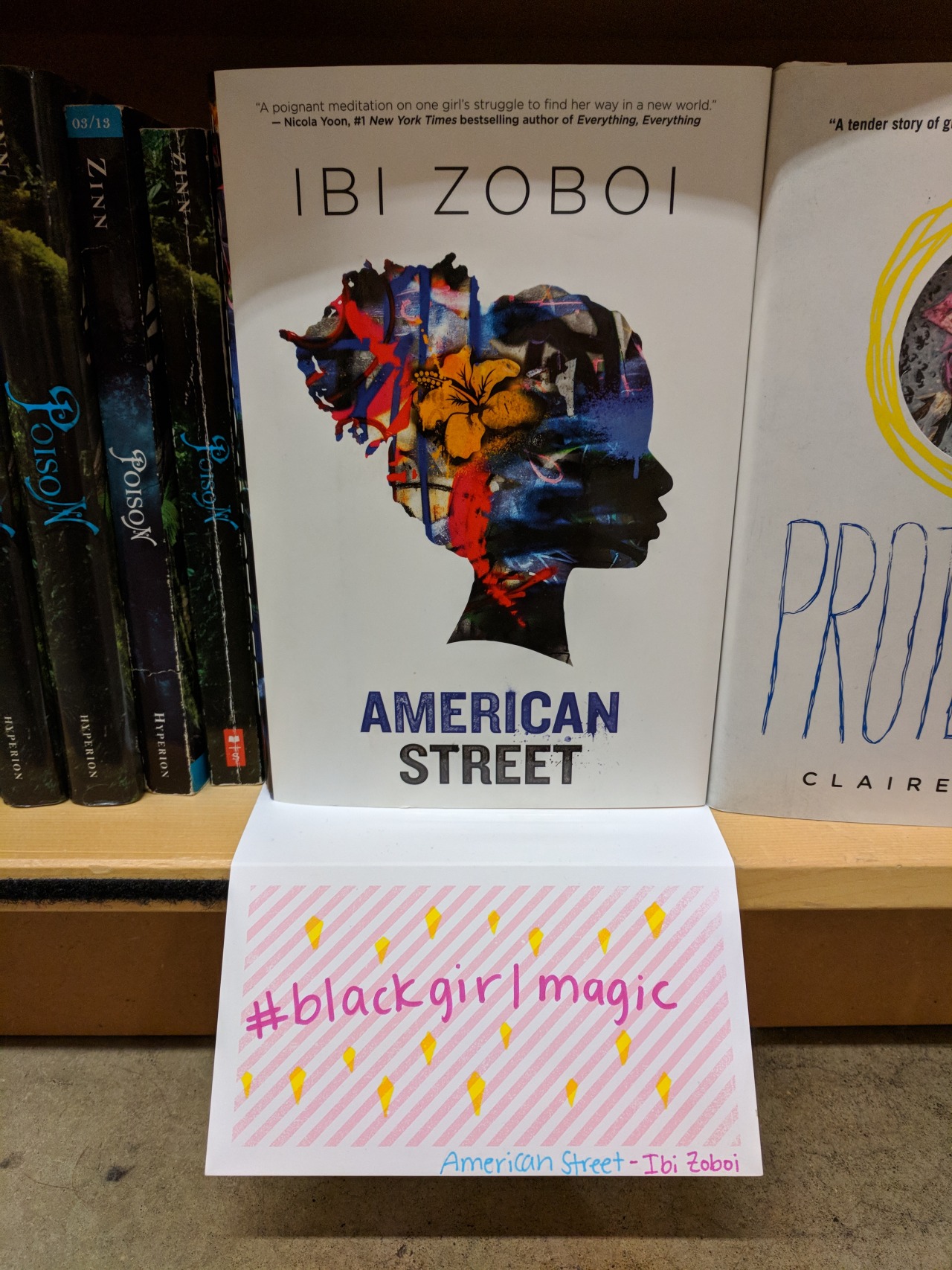
A Girl Like That by Tanaz Bhathena – When half-Hindu, half-Parsi school troublemaker Zarin Wadia dies in a car crash with a boy named Porus, no one in her South Asian community in Jeddah is surprised—what else would you expect from a girl like that?
A Land of Permanent Goodbyes by Atia Abawi – After their home in Syria is bombed, Tareq and family seek refuge, first with extended family in Raqqa, a stronghold for the militant group, Daesh, and then abroad.
someone: so what do you think is the solution to homelessness?
me, socialist:
Let homeless people occupy peopleless homes, build houses for use rather than exchange, 3D print comfortable houses in a day, convert corporate skyscrapers into housing and commercial malls into publicly-accessible community centers with living commons and entertainment
When you say it to people and they break
“But the money? … we can’t just? But, Money? We can’t just… help… people? Can we? The Money. We can’t just help people? Like that? We can’t just? Money?”
There’s more to it than free real estate.
A massive portion of homeless people are mentally ill, and many of those illnesses aren’t being treated. Homeless people who have been on the streets and had their illnesses untreated for most of their lives aren’t going to adjust super well to suddenly having a place to live.
We need to build safety nets. We need social workers and mental health care professionals to help the homeless.
Every person deserves a roof and health care. Those two things need to go hand in hand.
The Housing First model of dealing with homelessness does exactly this. But actually when homeless people with mental illness or drug dependencies get into housing they start to do a lot better. Yes there are safety nets and things to work on after but it starts with housing. Homeless shelters right now aren’t doing enough because they either limit stays or make it so that drug addicts aren’t allowed to stay there at all. Obviously they’re still helping people but the Housing First model would actually help a lot more people long term and even be cheaper for the government in the long run. Unfortunately I don’t have sources but if someone can add them that’d be great.



 wrennette